



Reservation Deposit
A$500 AUD
Credited towards the final purchase price of A$1,800 AUD plus shipping.
Reserve your place within the inaugural release of TABLE.
Only sixty individually numbered Founding Collector Editions will be produced.
Your fully refundable A$500 reservation deposit secures your edition number and is credited towards the final purchase price.
Estimated delivery: December 2026.
What Happens Next
Following confirmation of your reservation, you’ll receive:
- Confirmation of your allocated edition number
- Founding Collector Reservation Agreement
- Estimated production timeline
- Regular collector updates throughout manufacturing
- Final balance invoice prior to dispatch
About the Founding Collector Edition
The inaugural release of VANTA’s signature dining collection.
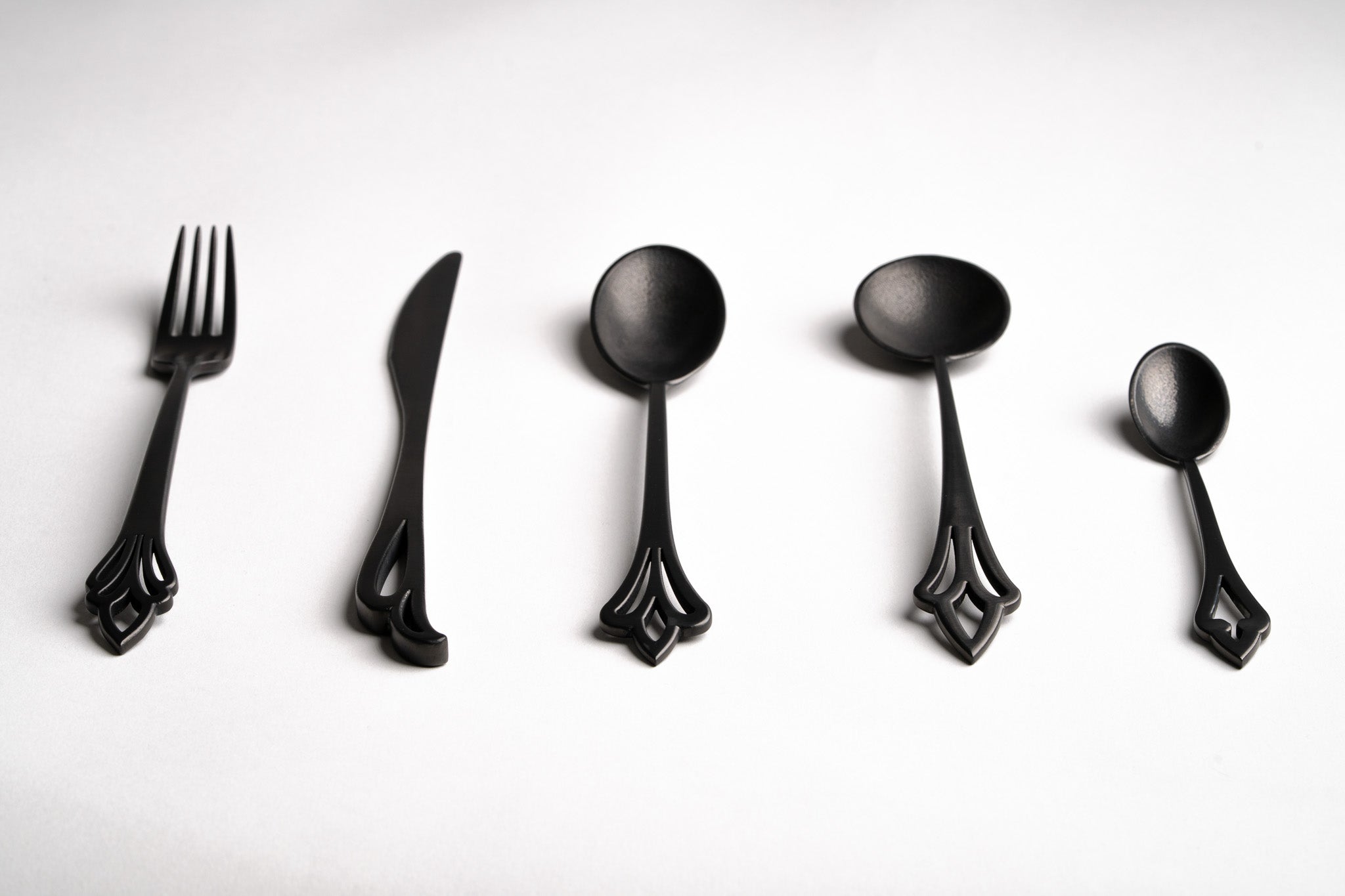
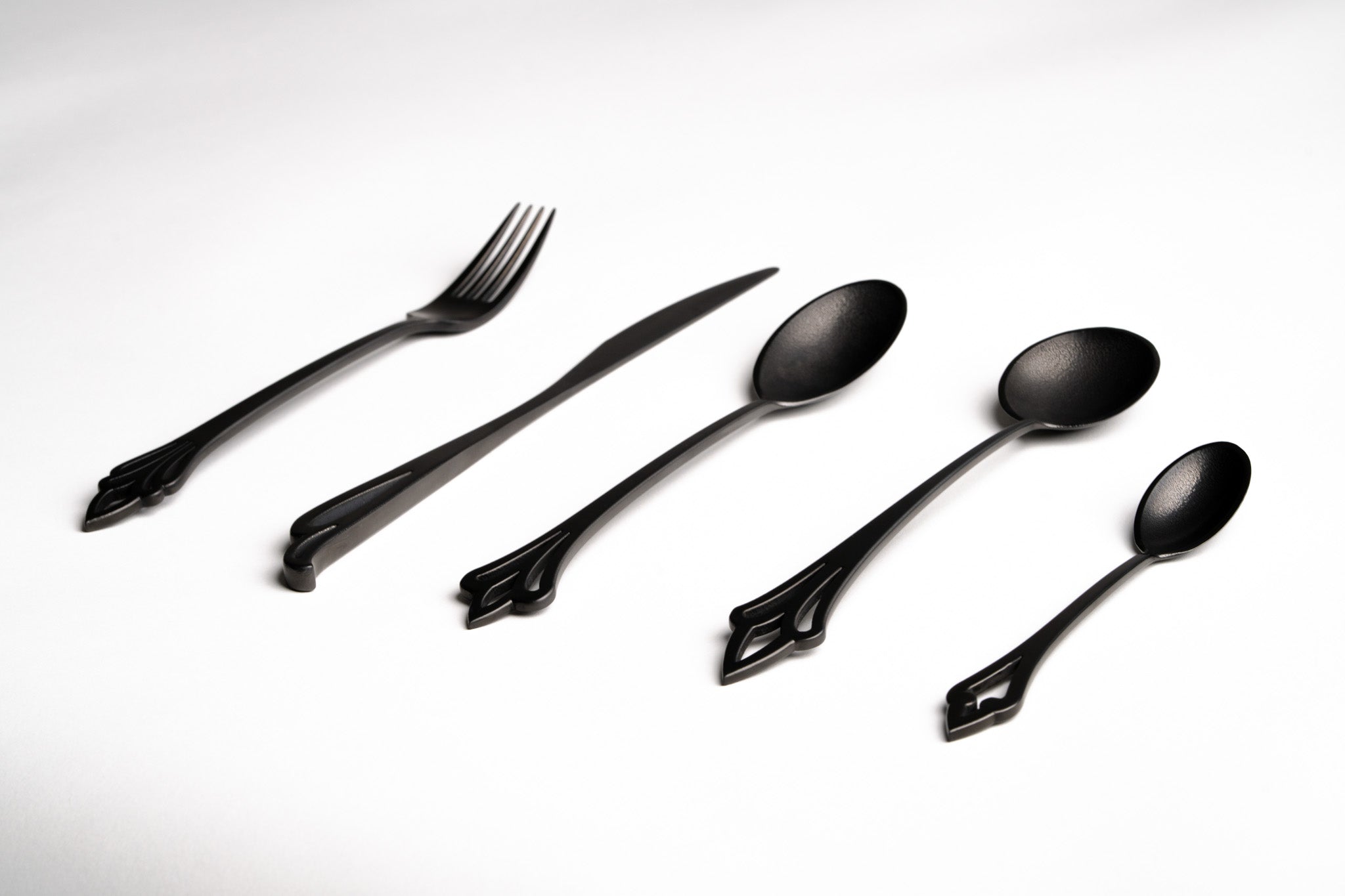
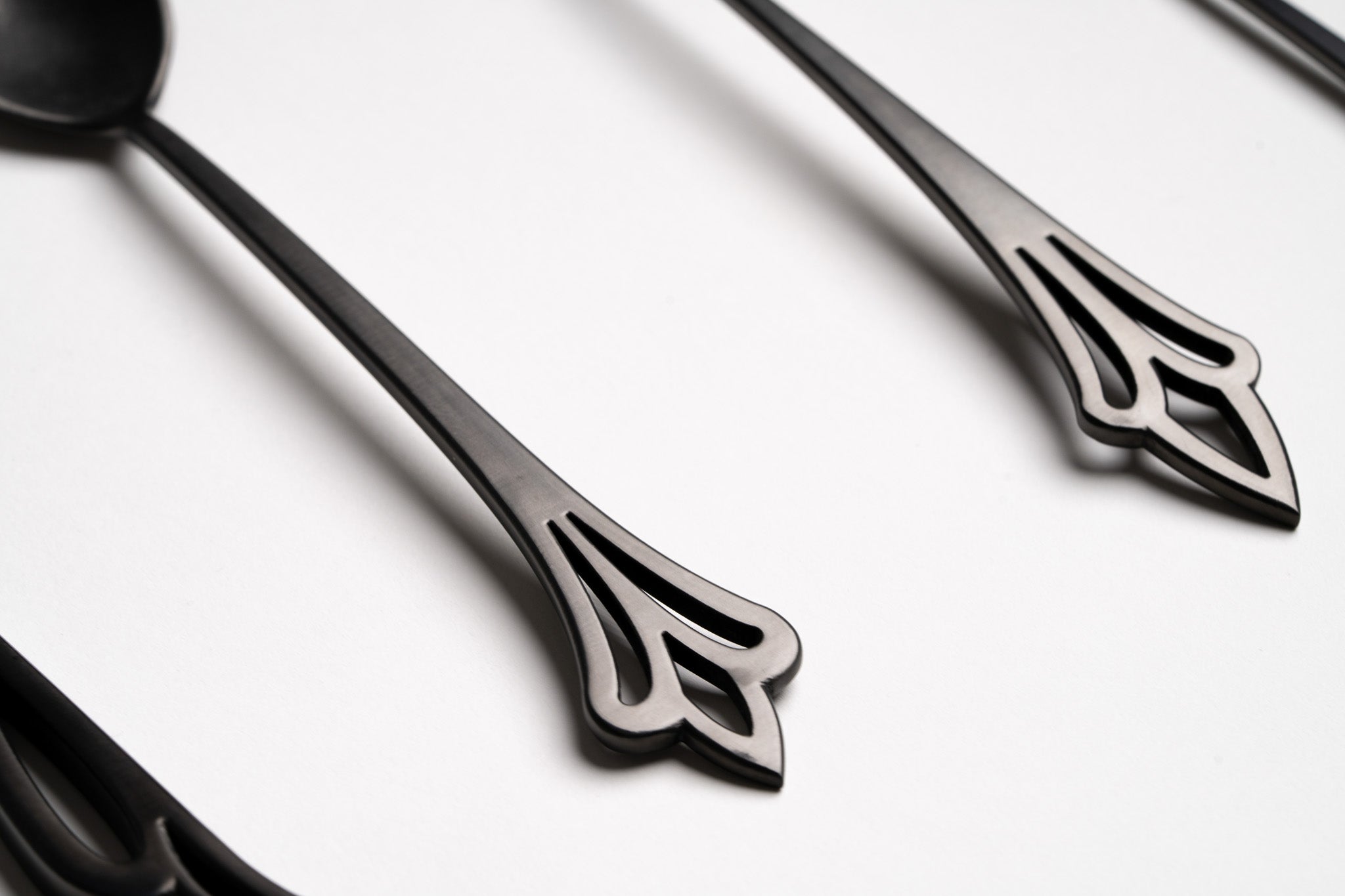
Developed over almost five years by artist Brea Lanyon and chef Adam Perconte, TABLE brings sculptural thinking and culinary experience together in a collection refined through hundreds of shared meals until every piece felt natural in the hand.
The Founding Collector Edition marks the beginning of TABLE and is permanently limited to sixty individually numbered collections.
Every Founding Collector Edition Includes
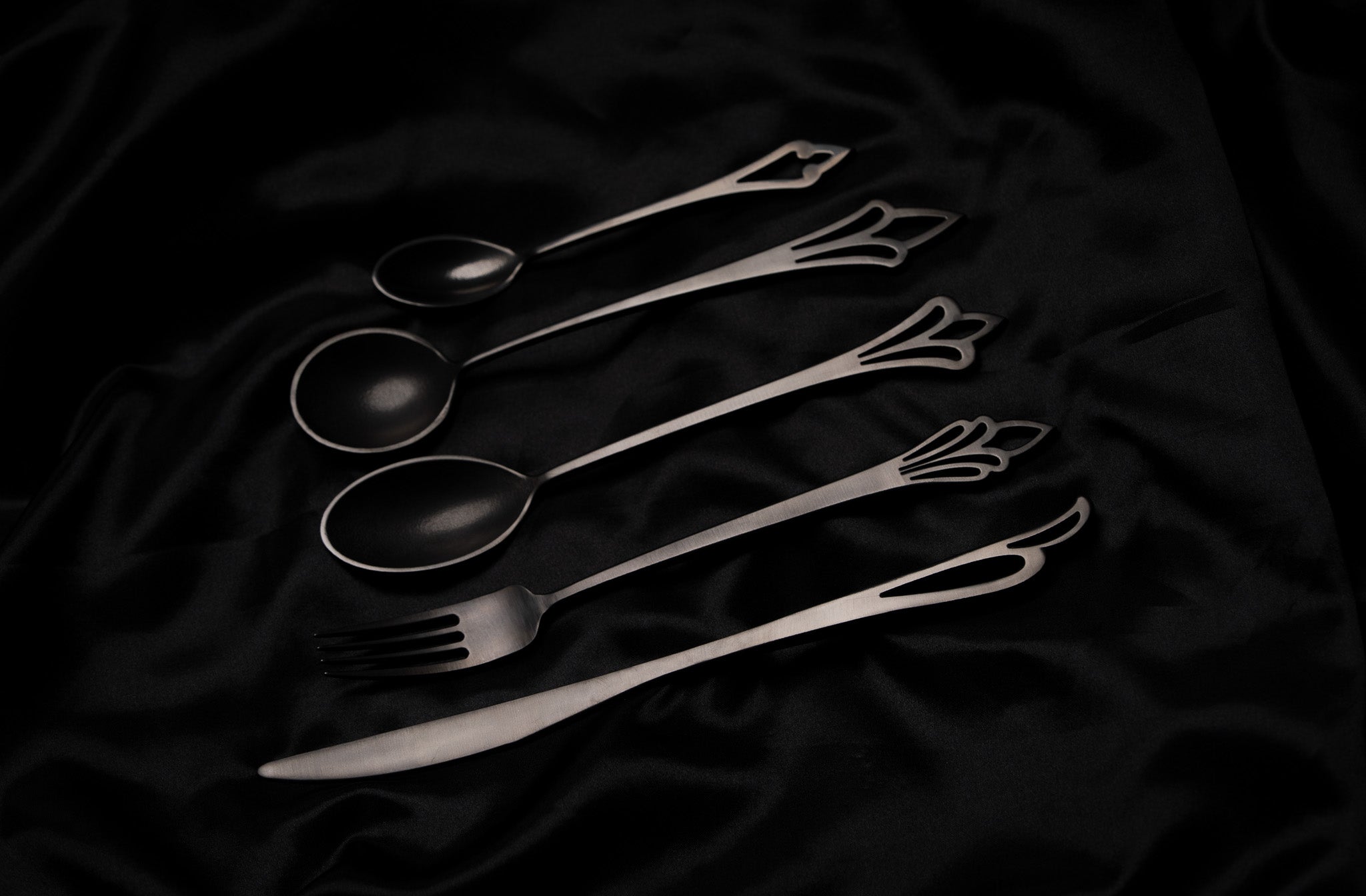
- 40-piece TABLE collection (8 complete place settings)
- Premium presentation case
- Provenance Box
- Individually numbered stainless steel provenance coin
- Matching Certificate of Authenticity
- Founder Letter
- Collector Guide
- Lifetime Manufacturing Warranty
- Membership to The Steel Circle
Materials & Manufacture
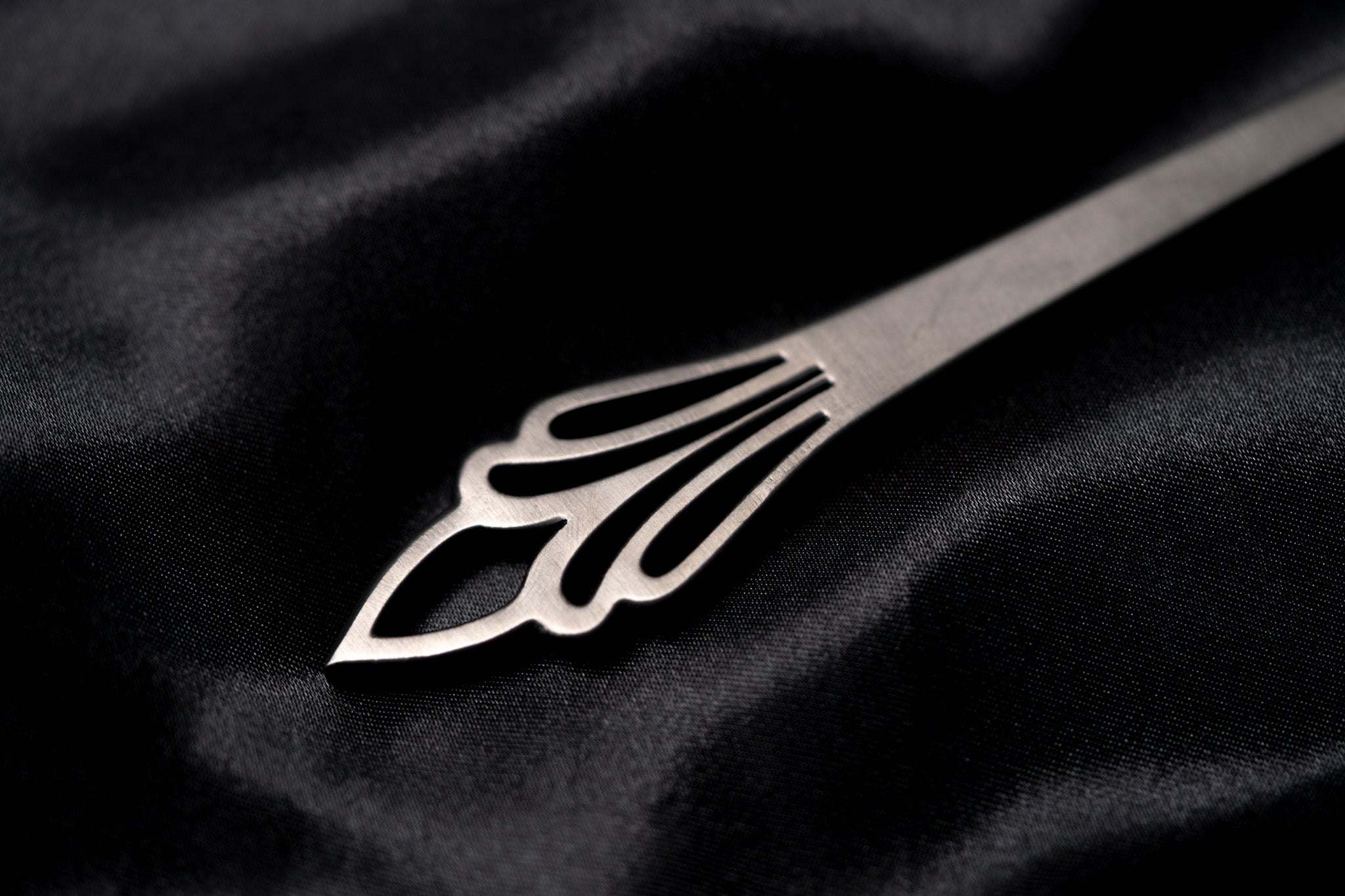
- Food-grade 304 stainless steel
- Premium Black PVD finish
- Designed in Melbourne, Australia
- Engineered with Karol Pabich | Peach Garage
- Manufactured by specialist stainless steel craftsmen
Production
TABLE is manufactured to order exclusively for the Founding Collector Edition.
Production commences September 2026.
Estimated dispatch December 2026.
Collectors receive updates throughout engineering, manufacturing, finishing, quality control and packaging.
Reservation Deposit
The A$500 reservation deposit is fully refundable prior to final payment.
Should you choose to cancel your reservation, your allocated edition number will be released and offered to the next collector.
The reservation deposit is credited in full towards the final purchase price.
Lifetime Manufacturing Warranty
TABLE is covered by VANTA’s Lifetime Manufacturing Warranty against defects in materials and workmanship under normal intended use.
Normal cosmetic ageing, wear to the Premium Black PVD finish, accidental damage, misuse and improper care are not manufacturing defects.
This warranty is provided in addition to your rights under the Australian Consumer Law.
Hospitality & Trade
TABLE is available for selected hospitality, architectural and commercial projects.
Hospitality pricing, minimum order quantities and trade partnerships are available upon request.
Contact brea@houseofvanta.com.